news
Ho Chi Minh City navigates FDI surge and real estate shift.
With FDI returning and real estate cooling, Ho Chi Minh City must decide on policies that will shape growth and livability in coming years.
How we reported this
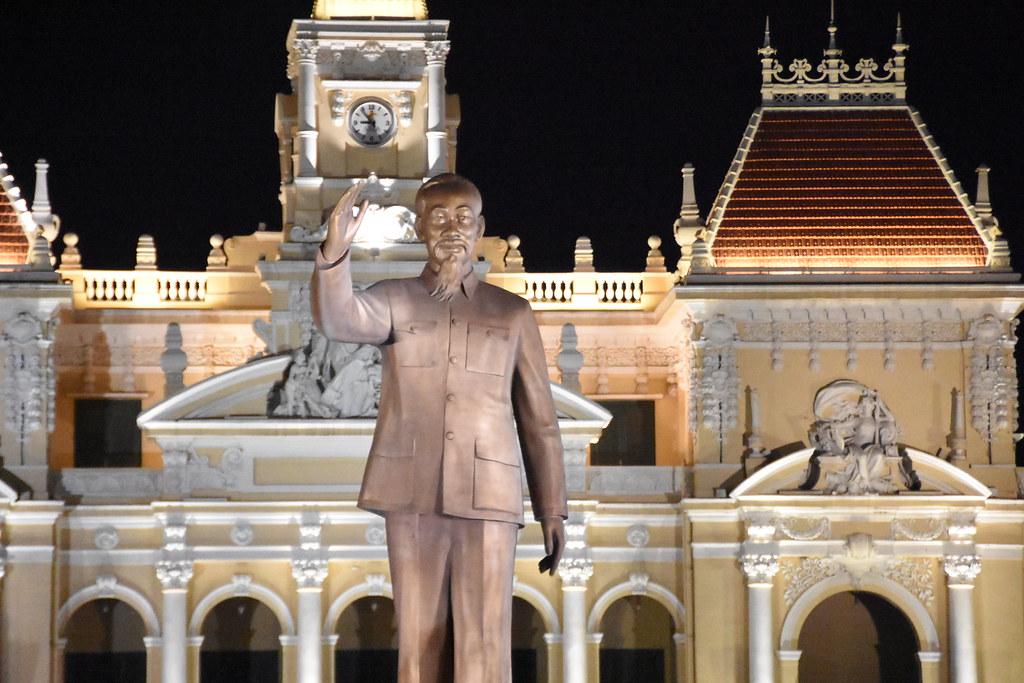
Ho Chi Minh City stands at a critical crossroads as it navigates post-pandemic economic recovery amid shifting dynamics in foreign investment and the real estate sector. Key decisions on urban planning, investment incentives, and infrastructure will define whether Vietnam's commercial hub maintains its momentum or faces new bottlenecks.
The economic context underlines the urgency. After weathering the severe impacts of the COVID-19 pandemic, which drained tourism and disrupted manufacturing, Ho Chi Minh City has seen a surge in foreign direct investment (FDI) projects this year. However, a recent correction in the property market and signs of inflationary pressure have complicated the recovery path. How the local government balances growth with equitable development is under close observation, given the city’s role as Vietnam's economic powerhouse.
FDI Upswing and Infrastructure Demands
Two districts embody the city's contrasting fortunes. Thu Duc City, the planned innovation hub that incorporates former District 2 and District 9, is benefiting from state-backed high-tech zone incentives, attracting investors from South Korea and Japan in electronics and software services. The Hoa Lac Hi-Tech Park in neighbouring Hanoi has long been the prime example, but Thu Duc’s tailored policies have made it a new magnet for startups and R&D firms.
Meanwhile, District 1, the central business district where major banks and international companies are headquartered, faces increasing strain on mobility due to traffic congestion. Nguyen Hue Street, the vibrant pedestrian mall, has witnessed rises in property rents, now averaging VND 200 million (~USD 8,500) per square meter annually for retail spaces, reflecting strong demand but also raising concerns about affordability for local businesses.
Real Estate Correction Amid Rising Living Costs
The city’s residential real estate market is adjusting after a boom during 2023-2024. Reports from the Ho Chi Minh City Real Estate Association indicate that apartment prices in rapidly developing neighborhoods like Phu Nhuan and Binh Thanh have softened by 5% to 8% over the past six months. Analysts attribute this to tighter credit conditions and a cautious stance from domestic buyers following interest rate hikes by the State Bank of Vietnam aiming to curb inflation.
Data released in June show the Consumer Price Index in the city rising 4.3% year-on-year, higher than the national average. Increased living costs have sparked debates among the municipal authorities about the need to expand affordable housing schemes such as the "Megacity Green Project", a joint initiative between Ho Chi Minh City government and Vinaconex aiming to build 10,000 affordable units by 2028 in districts like Cu Chi and Binh Tan.
In the education sector, funding remains a concern. Though contributing more to education than debt repayments, the city’s preschool enrollment rates lag behind national targets, particularly among children in under-served areas of District 12 and Go Vap. The People's Committee has signaled intentions to increase investment in early childhood education to not only improve social equity but also attract and retain skilled workers in the growing startup ecosystem.
Looking Ahead: Policy Tough Calls and Growth Strategies
Municipal leaders face tough questions balancing rapid urban expansion with sustainability and inclusivity. A decision expected in the coming months is the fate of the metro Line 1 extension, which is more than 80% built but has experienced delays due partly to budget overruns. Completion of the infrastructure project along Le Loi and Pasteur streets promises to alleviate commuting woes but requires final approvals on additional funding estimated at VND 4 trillion (~USD 170 million).
Practical advice for investors and residents alike includes staying alert to changes in lending policies and municipal regulations, especially regarding land use and property ownership rights, as these will evolve to manage speculative risks. Businesses should also keep track of the urban redevelopment plans in District 4, where a major riverfront revitalization initiative aims to integrate green spaces with commercial zones.
Ultimately, the next 12 to 24 months will reveal whether Ho Chi Minh City can leverage its strengths in innovation and international trade while addressing affordability and infrastructure gaps. The decisions made now could either propel Saigon further as Southeast Asia's leading commercial hub or deepen existing urban challenges that threaten broad-based prosperity.