news
Ho Chi Minh City Introduces Community Service Penalties for Traffic Violations
Authorities combine proposed public work requirements for offenders with canal upgrades and transport support, setting the city apart from purely punitive models used elsewhere.
How we reported this
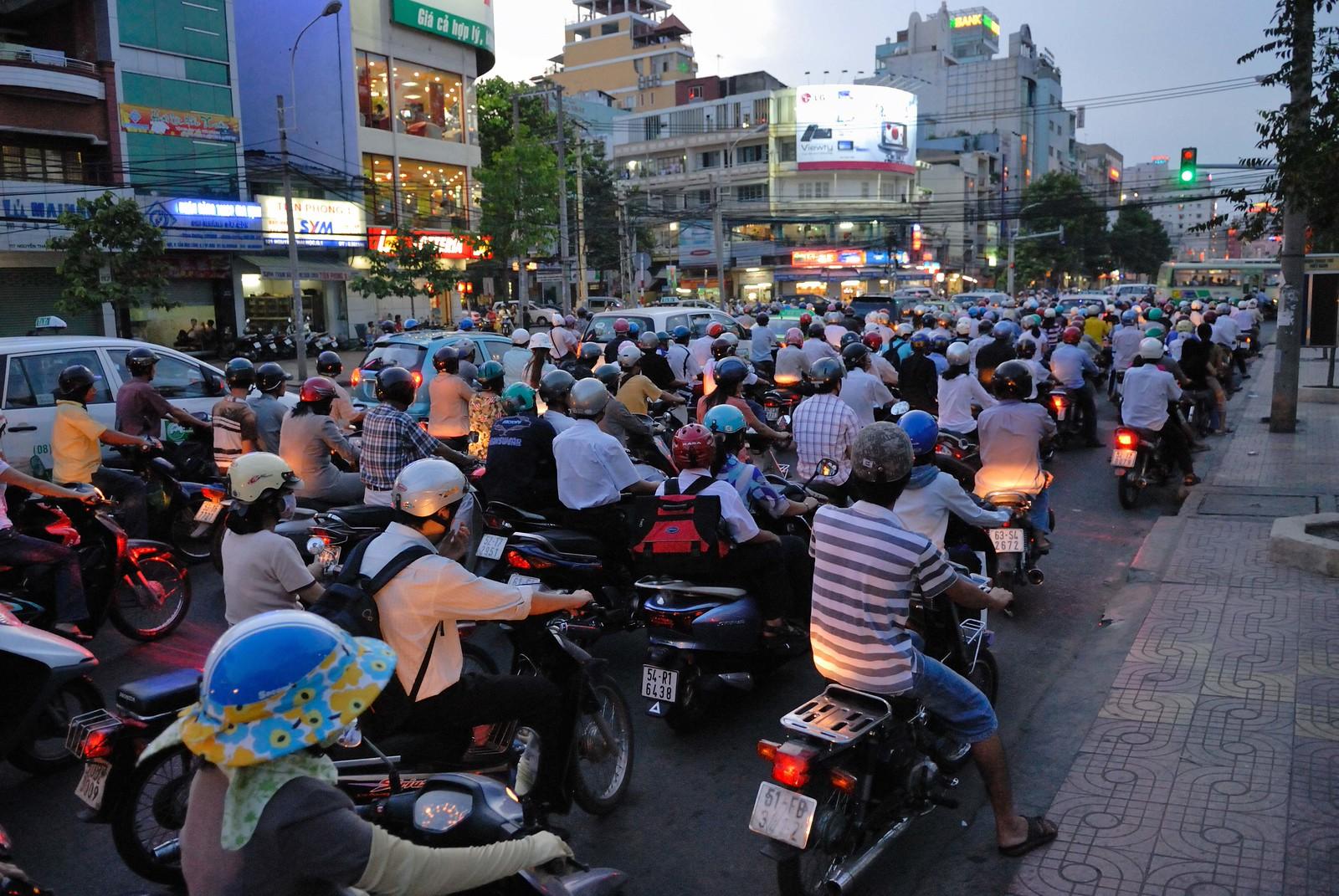
Ho Chi Minh City authorities have proposed a new community service penalty requiring traffic offenders to perform public work like cleaning streets or parks in addition to paying fines.
This proposal arrives as the city advances several linked measures that touch daily movement, public spaces and regulatory speed. Residents and visitors alike rely on roads, canals and buses that shape how safe the urban environment feels each day.
Canal rehabilitation and resident input
Urban infrastructure upgrades include canal rehabilitation efforts focused on the Kenh Te canal between District 4 and District 7. A pilot project called Biography of the River develops creative consultation methods that include workshops with puppet making and photography for local residents. These steps sit inside a wider programme that aims to relocate 6,500 houses on canals, with 4,321 already addressed to improve quality of life along the waterways.
Clearer and safer canal edges reduce everyday hazards for people who live and work nearby. The approach mixes physical work with direct community involvement, giving residents structured ways to shape changes in their immediate surroundings.
Transport support and faster approvals
A policy directs 220 billion Vietnamese dong in subsidies to maintain current fares on 12 bus routes serving outer districts through the end of 2027. Stable fares help keep public transport accessible, which in turn supports safer travel options for people who might otherwise rely on private vehicles.
Under new National Assembly rules, residents filing construction and business applications in Ho Chi Minh City will experience reduced processing times ahead of similar changes in other cities. Faster approvals can allow safety-related improvements to reach the ground more quickly than in places where paperwork moves at a slower pace.
Many cities around the world still lean heavily on fines alone or on increased policing to manage traffic and public order. Ho Chi Minh City layers an alternative penalty with infrastructure work, resident workshops and fare support, creating a wider set of tools that address safety from several angles at once.
City departments continue to roll out the approved elements of these programmes. Residents can follow updates on the community service proposal and the ongoing canal and bus measures through official channels as implementation details are confirmed.