Politics
Ho Chi Minh City Raises Transit Fares 12 Percent for 4.2 Million Commuters
The city council voted July 9 to raise public bus and metro fares starting September, a move affecting the roughly 4.2 million daily commuters who depend on the system.
How we reported this
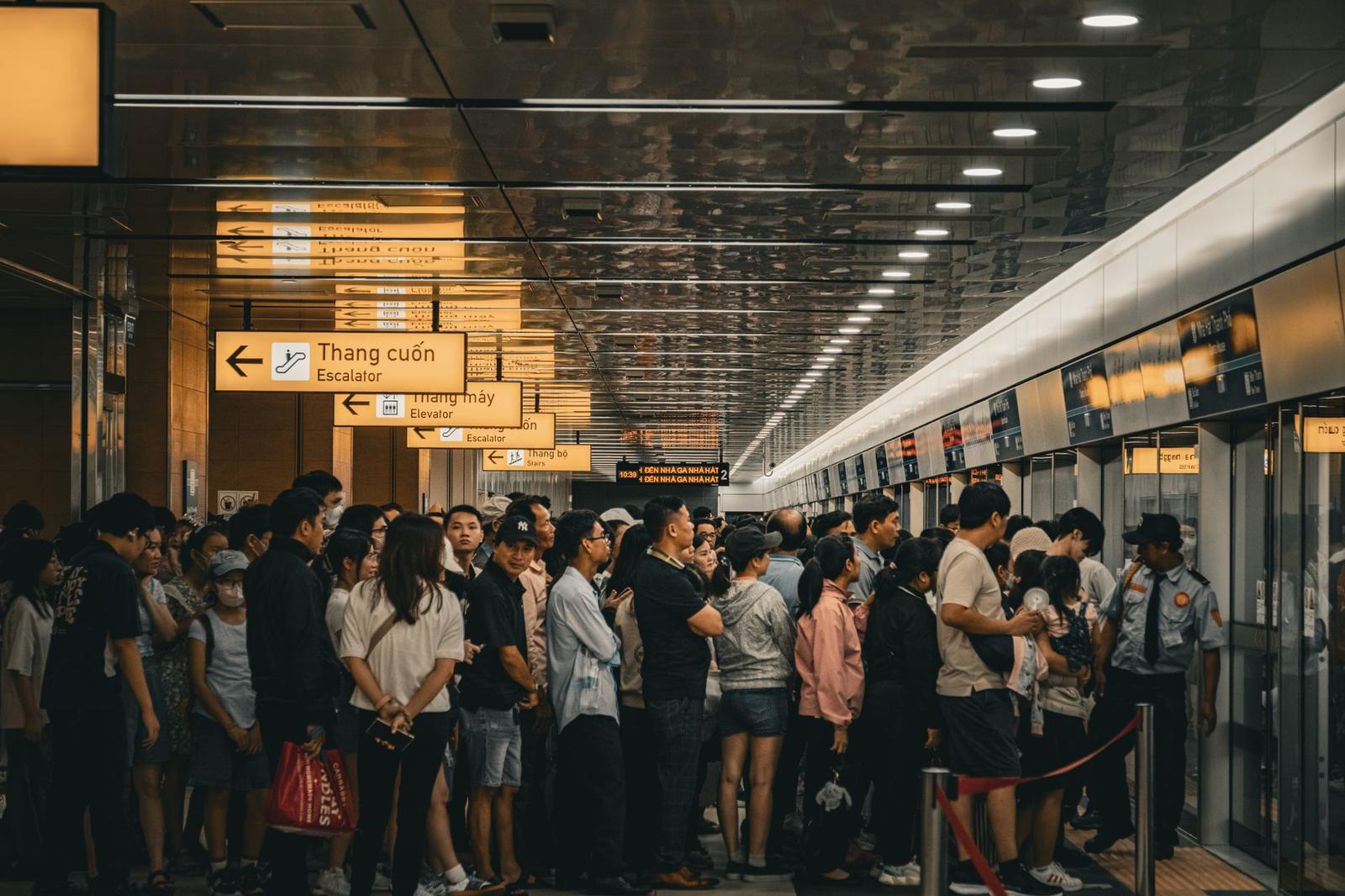
Ho Chi Minh City's municipal council approved a restructured fare schedule for its public transit network on July 9, marking the first increase in base fares since 2022. The new pricing takes effect September 1 across all bus routes and the Ben Thanh-Suoi Tien metro line currently in operation, according to the decision published by the Department of Transport on the city government website.
Single journey fares will increase between 3,000 and 5,000 dong depending on distance traveled, while monthly unlimited passes jump from 420,000 dong to 470,000 dong. The council's transport committee cited rising maintenance costs, fuel expenses, and labor wages as drivers of the change. Ho Chi Minh City's transport authority operates 160 bus routes serving approximately 4.2 million passenger journeys daily, according to the city's 2026 transport summary released in May.
The adjustment comes as the city pursues its strategy to shift more residents away from private vehicles toward mass transit. Planners say public transport ridership needs to grow to ease congestion on major corridors like Nguyen Hue Boulevard and the Ben Thanh-Vung Tau expressway, where average speeds drop to 15 kilometers per hour during peak hours. The metro expansion alone-now at 20.5 kilometers of track with a second line under construction-requires sustained operating revenue. The new pricing structure allocates an estimated 8.7 billion dong monthly to maintenance and staff costs, up from 7.8 billion dong under the previous schedule.
What This Means for Commuters and Households
For a typical office worker using the metro daily, the monthly pass increase translates to an extra 50,000 dong in transit costs. That assumes 22 working days per month. A household with two working adults and one school-age child relying entirely on public transport would see a combined monthly outlay rise to roughly 1.2 million dong. The council noted in its July 9 session that low-income riders qualify for subsidized fares, with cardholders receiving 50 percent discounts; the subsidy program covers approximately 380,000 registered users across the city according to transport authority figures from June.
Business operators in the food, delivery, and logistics sectors also stand to absorb higher costs. Motorbike taxi and ride-hailing services already compete with metro pricing for short trips under 5 kilometers. The fare increase may accelerate some commuter shifts to private transport, potentially worsening congestion during the morning and evening rush periods, transport analysts have suggested, though the council's decision did not address this tradeoff.
Implementation Timeline and Next Steps
The transport authority will deploy the new pricing system across all ticketing terminals and mobile payment platforms by August 20, allowing residents one month to adjust. Signage updates at stations and bus stops will follow. The council also directed the authority to monitor ridership patterns in the first quarter after implementation and report back in December 2026. If passenger volume drops significantly, officials signal a willingness to revisit the pricing structure, though no specific decline threshold has been publicly announced.
Separately, the council approved 340 billion dong in funding for the third metro line feasibility study, extending from Tan Binh District to Can Tho, with completion expected in 2027. The transport authority says expanded metro coverage beyond the current South and North districts may provide lower-cost alternatives for outer-city residents currently dependent on buses, potentially offsetting fare pressures over the longer term.