Technology
Why Ho Chi Minh City's Tech Ecosystem Punches Above Its Weight on the Global Stage
With lower costs than Silicon Valley, deeper ties to Southeast Asia's consumer base, and a gritty entrepreneurial culture, the city has become a distinctive venture capital magnet that defies traditional startup geography.
How we reported this
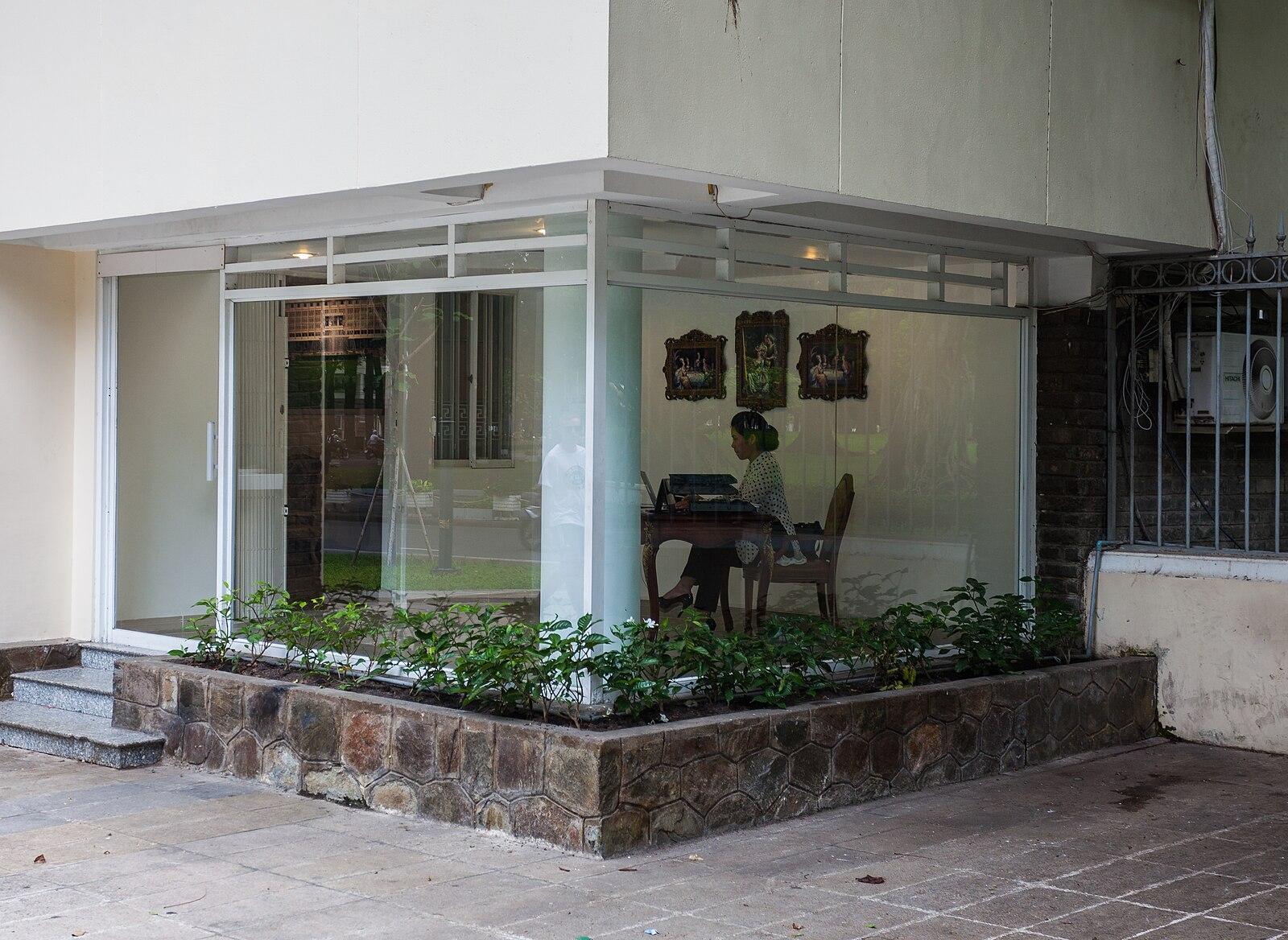
Walk through District 1's startup corridors along Nguyen Hue Boulevard, and you'll notice something that distinguishes Ho Chi Minh City's venture capital scene from better-known tech hubs: the absence of pretension paired with relentless pragmatism.
Unlike Silicon Valley's venture-backed moonshots or Beijing's state-sponsored tech champions, Ho Chi Minh City has carved out a distinctive position in global startup funding. The city attracted approximately $1.2 billion in venture capital investments in 2025, according to regional venture tracking data, with the average seed round sitting around $500,000-a fraction of US costs but sufficient for rapid product iteration. This economic efficiency, combined with proximity to 650 million Southeast Asian consumers, creates a uniquely compelling investment thesis that's increasingly difficult to ignore.
The ecosystem's DNA reflects the city itself. Spaces like The Hive in District 7 and startup hubs clustered around Landmark 81 have fostered a culture where bootstrapped founders sit alongside venture-backed companies, creating cross-pollination impossible in more stratified markets. Major venture firms-including regional heavyweights with offices on Le Duan Street-have recognized that talent density here rivals Bangkok or Singapore, but with significantly lower operational overhead.
What truly sets Ho Chi Minh City apart, however, is its function as a testing ground for Southeast Asia. Startups launching logistics platforms, fintech solutions, or e-commerce tools here gain immediate access to a market of 10 million people within the metropolitan area, then scale across the region. This built-in advantage explains why founders increasingly view Ho Chi Minh City as the preferred launchpad rather than a secondary consideration.
The city's venture ecosystem also benefits from Vietnam's tech talent pipeline. Universities like HUST graduate thousands of engineers annually, and average software engineer salaries-roughly $15,000 to $25,000 annually-allow founders to build larger teams on modest budgets. This talent advantage compounds when founders recognize they can hire five exceptional Vietnamese engineers for the cost of one in San Francisco.
Yet challenges persist. Regulatory clarity remains inconsistent, and foreign investment in certain sectors faces restrictions. Infrastructure outside central districts still lags more developed hubs. But these very constraints have produced something distinctive: a pragmatic, scrappy ecosystem less interested in unicorn mythology than in sustainable, region-focused businesses.
As global venture capital increasingly questions the traditional hub model, Ho Chi Minh City represents something different-not a copycat Silicon Valley, but a genuinely alternative approach to building and funding technology companies. For investors and founders seeking to tap Southeast Asia's growth story while maintaining capital efficiency, the choice becomes clearer each quarter.